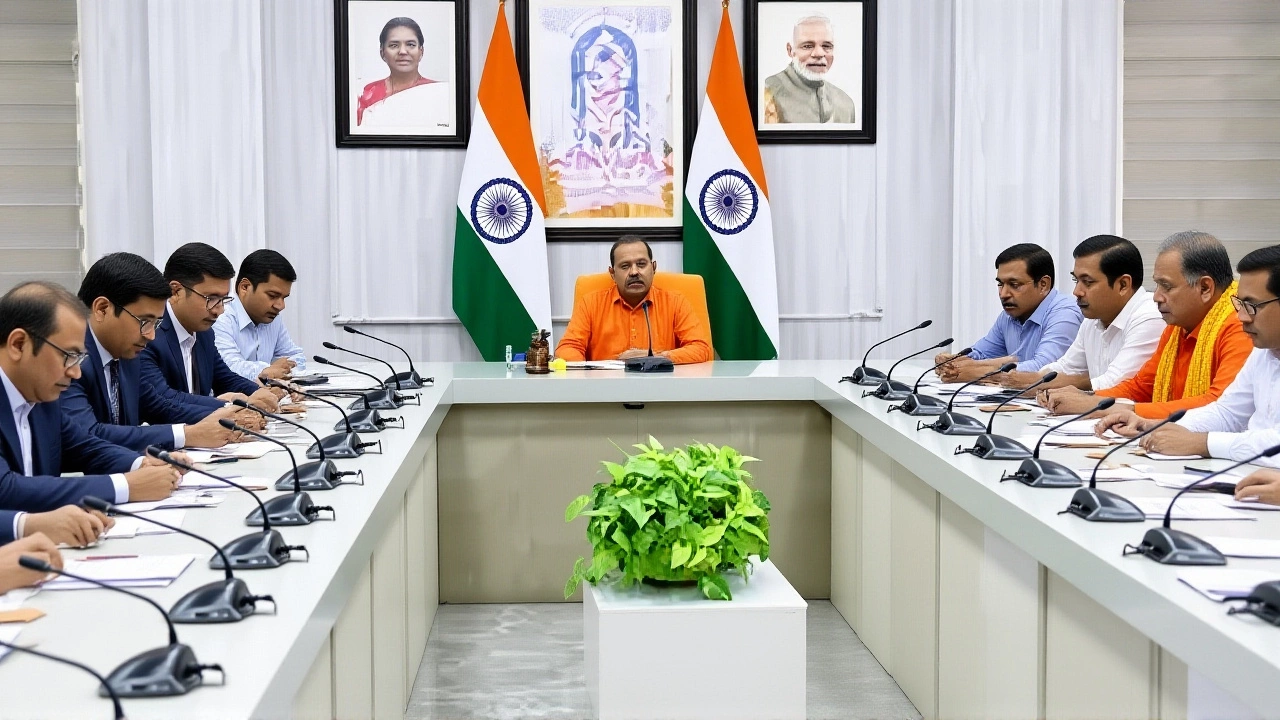
When Yogi Adityanath, Chief Minister of Uttar Pradesh Government, announced the rollout of the Bal Shramik Vidya Yojana last week, it wasn't just another policy statement—it was a direct financial intervention aimed at pulling children out of labor and back into classrooms. The scheme targets kids aged 8 to 18 in Uttar Pradesh, offering monthly cash transfers directly to their bank accounts.
Here’s the thing: poverty often forces families to choose between putting food on the table and sending kids to school. This new initiative flips that script by compensating for lost income. If a child stops working, the state steps in with money—conditional, of course, on them staying enrolled in education.
The Financial Structure of the Scheme
The numbers are specific and designed to make an immediate difference. Under this conditional cash transfer model, eligible boys receive ₹1,000 per month (₹12,000 annually), while girls get a slightly higher amount of ₹1,200 per month (₹14,400 annually). These funds aren’t handed out in envelopes; they’re deposited via Direct Benefit Transfer (DBT) straight into the beneficiary’s bank account, minimizing leakage and ensuring transparency.
But wait, there’s more. To keep students motivated beyond just showing up, the scheme includes an educational incentive. Students who successfully pass classes 8, 9, and 10 each academic year receive an additional ₹6,000. It’s a smart nudge—rewarding progress rather than just attendance.
Who Qualifies and Where Is It Starting?
Eligibility is strict but fair. The program covers children aged 8–18 who are currently engaged in labor in either organized or unorganized sectors—including agriculture, domestic work, home-based enterprises, or self-employment. Crucially, the child must be enrolled in a school. You can’t just claim the money without being a student.
In its first phase, the government has selected 20 districts heavily impacted by child labor. These include major hubs like Lucknow, Kanpur Nagar, Agra, Prayagraj, and Varanasi. Other included districts are Ballia, Barabanki, Bareilly, Badaun, Ghaziabad, Gorakhpur, Gonda, Shravasti, Balrampur, Bahraich, Moradabad, Sonbhadra, Mirzapur, Jaunpur, and Ghazipur. Starting small allows the administration to refine the process before a statewide rollout.
How Beneficiaries Are Identified
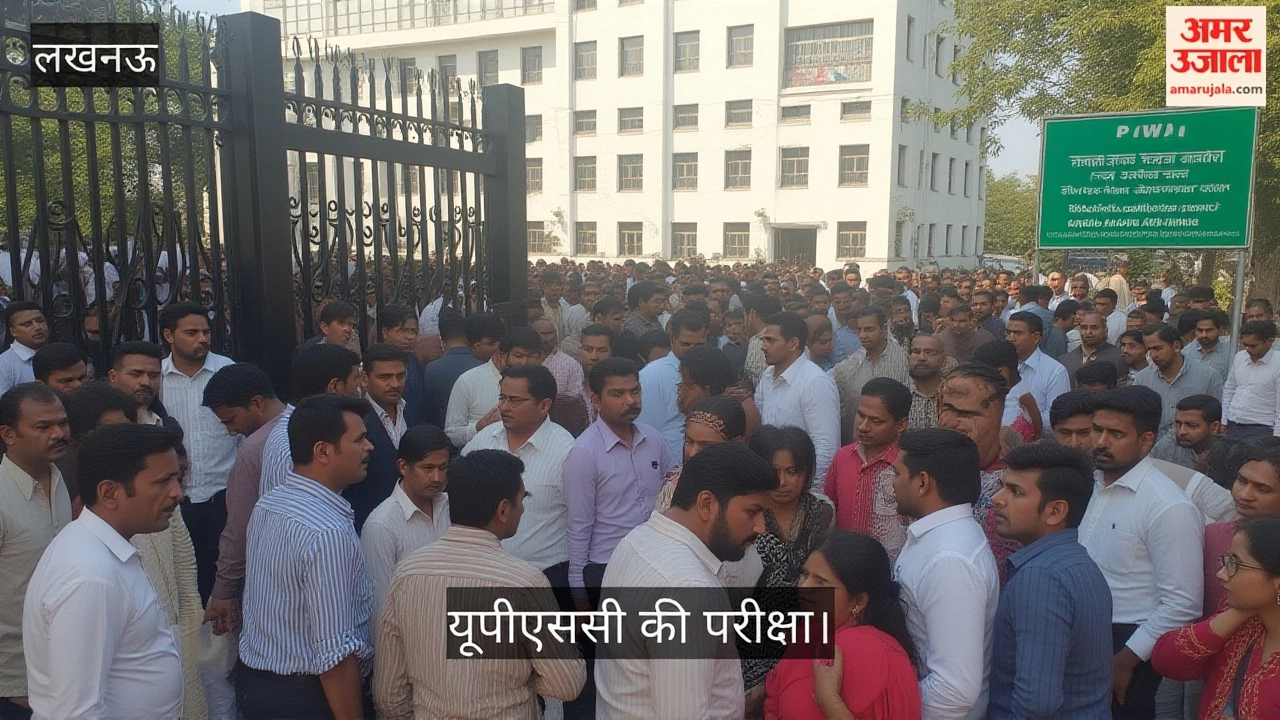
Finding these children isn’t easy—they’re often hidden in workshops or fields. The identification process is multi-layered. Local bodies like Gram Panchayats (village councils), urban local bodies, and School Management Committees play a key role. Organizations like Childline also help flag cases.
However, the rubber meets the road with the Labour Department. Officers conduct surveys and inspections to verify employment status. A certificate from the Labour Department is mandatory for inclusion. Once identified, recommendations go through Gram Vikas Adhikaris and local executive officers before final approval by Regional Additional Labour Commissioners or Deputy Labour Commissioners. Every approved case is then uploaded to an e-tracking system for real-time monitoring.
Why This Matters Beyond the Headlines
This isn’t just about charity; it’s about breaking a cycle. By treating child labor as an economic issue rather than solely a moral one, the UP government acknowledges that parents need support to let their kids study. Similar conditional cash transfer models have seen mixed results globally, but the DBT mechanism here adds a layer of accountability rarely seen in Indian welfare schemes.
Experts note that reducing dropout rates requires sustained engagement. The annual ₹6,000 incentive for passing exams is a clever retention tool. It signals that education has tangible value—not just abstract future benefits, but present-day rewards.
What’s Next for Uttar Pradesh?
If the pilot in these 20 districts proves effective, expect expansion. The data collected via the e-tracking system will be crucial. Officials will monitor not just disbursement, but school attendance and performance metrics. Success here could set a precedent for other states grappling with similar challenges.
For now, the focus is on execution. Can the bureaucracy move fast enough? Will banks reach every remote village? These questions remain. But one thing is clear: the intent is serious, and the funding is real.
Frequently Asked Questions
How much money do beneficiaries receive under the Bal Shramik Vidya Yojana?
Boys receive ₹1,000 per month (₹12,000 annually), while girls receive ₹1,200 per month (₹14,400 annually). Additionally, students who pass classes 8, 9, and 10 each year get an extra ₹6,000 incentive. All amounts are transferred directly to bank accounts via DBT.
Which districts are included in the first phase of the scheme?
The initial rollout covers 20 districts: Agra, Prayagraj, Kanpur Nagar, Ballia, Lucknow, Barabanki, Bareilly, Badaun, Ghaziabad, Gorakhpur, Gonda, Shravasti, Balrampur, Bahraich, Moradabad, Sonbhadra, Mirzapur, Jaunpur, Varanasi, and Ghazipur. These were chosen based on high prevalence of child labor.
Who is eligible for the Bal Shramik Vidya Yojana?
Children aged 8 to 18 who are currently engaged in labor (in organized or unorganized sectors) and are enrolled in school are eligible. They must be residents of Uttar Pradesh. Verification requires a certificate from the Labour Department confirming their work status.
How are child laborers identified for the scheme?
Identification involves a multi-tiered process including Gram Panchayats, urban local bodies, School Management Committees, and Childline. Labour Department officials conduct field surveys and inspections to verify employment. Final selection is approved by regional labour commissioners and tracked via an e-system.
Is the cash assistance guaranteed if the child stays in school?
Yes, it is a conditional cash transfer. The primary condition is regular school enrollment and attendance. The additional ₹6,000 incentive is specifically tied to passing exams in classes 8, 9, and 10, linking financial aid directly to academic progress.